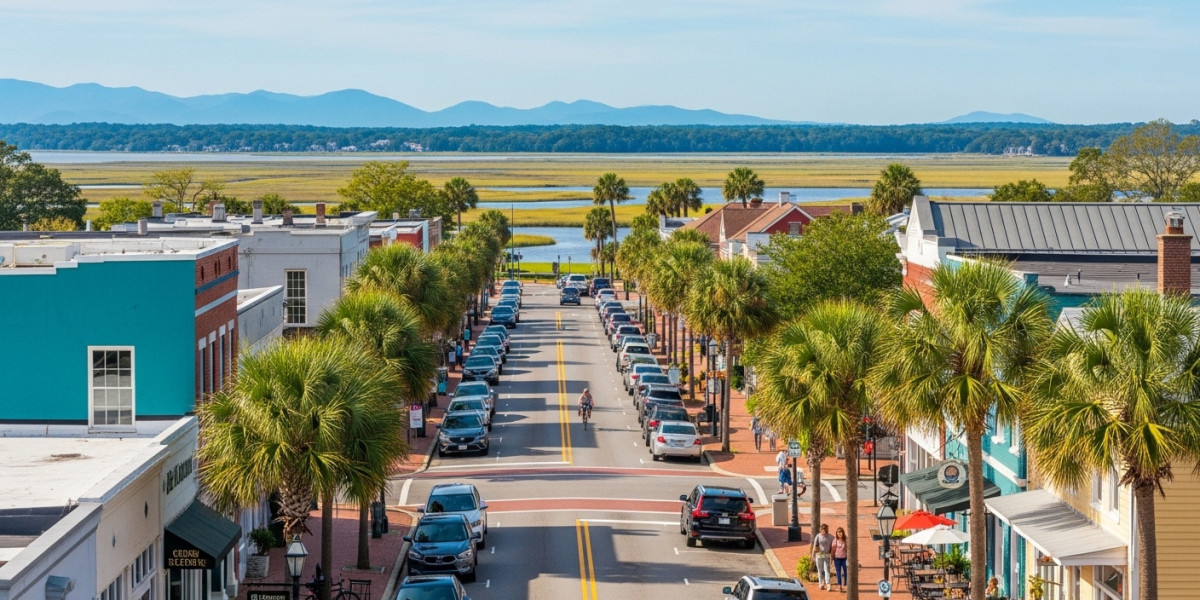

Introduction: South Carolina Isn’t One “Best”—It’s a Best-for-You
Discover the best place to live in South Carolina with a city-by-city guide to cost, jobs, schools, safety, and lifestyle—plus FAQs. Ask ten people for the best place to live in South Carolina, and you’ll get ten different answers—because South Carolina has multiple “best” spots depending on what you want.
Want walkable charm and world-class food? You’ll look one way.
Want a safer suburb with strong schools and a shorter commute? Another way.
Want a laid-back coastal vibe without the peak-season chaos? Yep—there’s a lane for that too.
This guide helps you choose confidently by matching real-life priorities—budget, jobs, schools, climate, commute, and lifestyle—to the cities and towns that fit them best. You’ll get:
A simple framework to decide what matters most
The top places to live across the state (coast + Upstate + Midlands)
Quick “best for” recommendations (families, retirees, remote workers, etc.)
A practical FAQ section based on common moving questions
Let’s find your version of “best.”
How to Choose the Best Place to Live in South Carolina
Before you fall in love with a pretty downtown or a beach view, run through these practical filters. They’ll save you time and prevent expensive surprises.
1) Cost of living and housing reality
South Carolina can be very affordable—until you zoom in on certain zip codes. Coastal demand and fast-growing suburbs can push prices up quickly.
Look at:
Home prices (and trends in the last 2–3 years)
Property taxes and insurance (especially near the coast)
HOA fees in planned communities
Utilities and flood risk (coastal + low-lying areas)
2) Jobs and commuting patterns
Some areas shine for manufacturing and healthcare, others for tourism, logistics, education, or tech-adjacent work. If you’re remote, you’ll care more about internet reliability and airport access.
3) Schools, if that’s your world right now
Even within the same city, school zones can vary dramatically. If you’re moving with kids, treat school zoning like a non-negotiable research step—not an afterthought.
4) Lifestyle: beach, mountains, or “I want both”
South Carolina gives you three distinct vibes:
Lowcountry (coastal, historic, humid, water everywhere)
Upstate (lakes, foothills, faster access to hiking, generally less humid)
Midlands (central, convenient, college-town energy in pockets)
5) Flood risk and weather tolerance
If you’re coastal-curious, check flood zones, storm drainage, and insurance costs. “Near the water” can mean wildly different risk profiles depending on elevation and infrastructure.
Quick Answer: The Best Places to Live in South Carolina (By Lifestyle)
If you want the shortlist right now, here it is:
Best all-around city: Greenville
Best coastal city for culture: Charleston
Best suburb near Charlotte: Fort Mill
Best for military-friendly coastal living: Beaufort
Best for retirees: Hilton Head Island / Bluffton
Best for affordability + convenience: Columbia
Best for family-friendly growth: Summerville
Best beach-town energy: Myrtle Beach (with careful neighborhood selection)
Now let’s break down each location in a way that actually helps you choose.
1) Greenville: A Top Pick for “Best Place to Live in South Carolina” Overall
If you’re looking for a place that balances jobs, charm, outdoors, and day-to-day livability, Greenville keeps landing at the top of most shortlists—and for good reason.
Why people love Greenville
A lively, walkable downtown with real neighborhood feel
Strong job growth in healthcare, advanced manufacturing, and business services
Easy weekend escapes: Table Rock, Caesars Head, and mountain towns nearby
A community vibe that feels welcoming without being sleepy
Best for
Young professionals
Families who want amenities without big-city stress
Remote workers who still want a social scene
Keep in mind
Greenville’s popularity has pushed some neighborhoods upward in price. If you want more space for less, look slightly outside the core (without going so far that you lose the convenience).
2) Charleston: The Iconic Choice—History, Food, Water, and Wow Factor
When people picture moving to South Carolina, they often picture Charleston. It’s beautiful, storied, and full of personality. It’s also one of the pricier areas in the state.
Why Charleston stands out
One of the most distinctive historic cities in the U.S.
Incredible dining scene, festivals, and cultural life
Boating, beaches, and marsh views that feel like a vacation
Strong tourism economy plus growing business and tech-adjacent sectors
Best for
People who want coastal living with a true city vibe
Foodies, creatives, and culture lovers
Those who can handle higher costs and seasonal traffic
Keep in mind
Charleston comes with trade-offs: traffic, humidity, flooding concerns in some areas, and a higher cost of living. If Charleston is your dream, you’ll do best by choosing neighborhoods strategically and getting serious about flood zones and insurance.
3) Mount Pleasant: Polished, Family-Friendly, and Close to Charleston
If Charleston is the “soul,” Mount Pleasant is the “system.” It’s clean, organized, and popular with families who want proximity to Charleston without living in the center of it.
Why Mount Pleasant is a contender
Strong schools (research zones carefully)
Parks, trails, and a coastal-suburban lifestyle
Great access to shopping, dining, and beaches
A reputation for safety and community amenities
Best for
Families
Professionals who commute into Charleston
People who want a well-planned suburb near the coast
Keep in mind
It’s one of the more expensive places to live in South Carolina. You’re paying for convenience, schools, and location.
4) Summerville: A Fast-Growing Favorite for Families
Summerville has become a go-to choice for people who want more space, newer neighborhoods, and a family-friendly feel—while staying within reach of Charleston.
Why people move to Summerville
More house for the money compared to many Charleston-area neighborhoods
Plenty of newer developments and community amenities
Good access to Charleston jobs (commute varies by route and timing)
Best for
Families and first-time buyers
People who want a suburban lifestyle with room to grow
Keep in mind
Rapid growth can mean construction, evolving traffic patterns, and neighborhood-by-neighborhood differences in vibe. Visit at commute hours before deciding.
5) Beaufort: Coastal Charm Without the Charleston Crowd
If you want a coastal lifestyle but prefer a smaller, calmer place, Beaufort is a strong candidate. It has gorgeous scenery, historic character, and a slower rhythm.
Why Beaufort works
Beautiful water views and Lowcountry scenery
Military presence nearby (steady community and services)
Charming downtown and a relaxed pace
Great for people who want “coastal” without “tourist swarm”
Best for
Retirees
People who enjoy boating, fishing, and quiet charm
Anyone seeking a smaller-town feel on the coast
Keep in mind
Job options can be narrower depending on your field, and coastal weather/flood considerations still apply.
6) Bluffton: The “Live Here, Play Here” Lowcountry Choice
Bluffton has grown into a hub for people who want Lowcountry living with access to Hilton Head, Savannah, and coastal amenities—often with a slightly more practical, year-round feel.
Why Bluffton is popular
Strong retiree appeal and family appeal
Convenient access to beaches and resorts without living directly in them
A growing dining and community scene
Lots of neighborhood styles—from gated to more local and low-key
Best for
Retirees who want community and convenience
Families who love outdoors and coastal day trips
Keep in mind
Like other coastal areas, insurance and humidity are part of the deal.
7) Hilton Head Island: Classic Retirement and Resort Living
For many people, Hilton Head Island is the dream: beaches, golf, biking paths, and a relaxed, polished atmosphere.
Why Hilton Head is “best” for some people
Resort-level beauty and maintenance
Tons of outdoor activities: biking, tennis, golf, beach days
A strong sense of recreation-first living
Best for
Retirees
Second-home buyers or people who love planned amenities
Keep in mind
Costs can be high, and some areas have strong seasonal tourism. If you want quieter, look slightly off-island (Bluffton is a common choice).
8) Columbia: Affordable, Central, and Underrated
If you value affordability, convenience, and a city that functions like a city, Columbia deserves a serious look. It’s the state capital, home to a major university, and centrally located for weekend trips in any direction.
Why Columbia can be a smart move
Generally more affordable than the coast
Stable job market tied to government, education, and healthcare
Easy access to Lake Murray and outdoor spots nearby
A mix of neighborhoods—historic, suburban, and student-friendly
Best for
People who want value and space
Those who like college-town energy nearby
Anyone who travels around the state often
Keep in mind
Summers can feel intense (heat + humidity). Neighborhood selection matters a lot for walkability and vibe.
9) Fort Mill: The Best Place to Live in South Carolina Near Charlotte
If your work or lifestyle is connected to Charlotte, Fort Mill is one of the most searched long-tail options for a reason. It offers suburban comfort with access to a major metro.
Why Fort Mill stands out
Proximity to Charlotte jobs and airport access
Strong reputation for schools (verify zoning)
A family-friendly suburban setup with newer housing options
Best for
Commuters to Charlotte
Families who want suburban convenience
People who want “big city access” without living in it
Keep in mind
Growth brings traffic and competitive housing in popular neighborhoods. If you’re commuting, test-drive the route.
10) Rock Hill: More Affordable Than Fort Mill, Still Close to Charlotte
Rock Hill can be a smart alternative when Fort Mill feels too pricey. It’s still close to Charlotte and continues to develop.
Why Rock Hill is worth a look
Better affordability compared to some nearby suburbs
Evolving downtown areas and community investment
Access to Charlotte without the premium price tag
Best for
First-time buyers
People who want a Charlotte-adjacent move on a budget
Keep in mind
As with any growing area, neighborhood feel can vary widely. Spend time exploring different parts of town.
11) Spartanburg: Budget-Friendly Upstate With Momentum
If Greenville is the polished Upstate star, Spartanburg is the value-plus-upside pick. It has industry, colleges nearby, and a lower price point in many areas.
Why Spartanburg works for the right person
More affordable housing than Greenville (in many neighborhoods)
Access to Upstate jobs and regional growth
Convenient to Greenville, Asheville, and outdoor destinations
Best for
Budget-minded movers
People who want Upstate access without Greenville pricing
Keep in mind
Research neighborhoods carefully and prioritize commute routes. Spartanburg is a “smart move” city when you choose your location intentionally.
12) Myrtle Beach: Beach Life With Practical Trade-Offs
Myrtle Beach is famous for a reason: beach access, entertainment, and a vacation vibe. Living there year-round can be great—if you choose your neighborhood wisely.
Why people choose Myrtle Beach
Coastal access at a generally lower price than some other coastal hotspots
Plenty of dining, entertainment, and activities
Lots of housing options, including condos and communities
Best for
People who truly want beach-town energy
Remote workers who can avoid peak traffic times
Anyone who loves warm weather and ocean access
Keep in mind
Tourism affects traffic, noise, and seasonal crowd levels. Spend time there in peak season before committing.
Best Place to Live in South Carolina for Specific Needs
Best for families
Mount Pleasant (budget allowing)
Fort Mill (Charlotte access + schools)
Summerville (space + growth)
Best for retirees
Hilton Head Island (amenity-rich)
Bluffton (practical + close to everything)
Beaufort (charming + calmer)
Best for remote workers
Greenville (downtown + community + airport access)
Charleston (culture + lifestyle, higher costs)
Columbia (value + central location)
Best for affordability without feeling “remote”
Columbia
Spartanburg
Rock Hill
A Practical “Try Before You Move” Checklist
If you’re relocating, here’s a realistic plan that works:
Spend a weekend in your top 2–3 areas
Drive the commute during rush hour (morning and evening)
Walk the neighborhood at night (comfort matters)
Check flood zones and insurance estimates if you’re coastal
Compare internet providers if you work from home
Talk to locals (coffee shops are gold for honest opinions)
This saves you from choosing a place that looks perfect online but doesn’t fit daily life.
FAQ: Best Place to Live in South Carolina
What is the best place to live in South Carolina overall?
For many people, Greenville hits the best balance of jobs, lifestyle, and livability. But the “best” depends on whether you prioritize coast, affordability, schools, or commuting.
What is the best place to live in South Carolina for families?
Mount Pleasant, Fort Mill, and Summerville are common top picks for families—especially if schools, parks, and neighborhood amenities are high on your list.
What is the best place to live in South Carolina for retirees?
Hilton Head Island, Bluffton, and Beaufort are excellent for retirees who want coastal scenery, recreation, and a slower pace (with varying budgets and crowd levels).
Where is the most affordable place to live in South Carolina?
Affordability varies by neighborhood, but Columbia, Spartanburg, and parts of Rock Hill often provide strong value while still offering city conveniences.
Is Charleston a good place to live year-round?
Yes—if you’re comfortable with a higher cost of living, seasonal traffic, and doing due diligence on flooding and insurance. Many people love the culture, food, and water-centric lifestyle enough to happily accept the trade-offs.
What’s the best South Carolina city near Charlotte?
Fort Mill is the most popular answer, with Rock Hill as a more budget-friendly alternative that’s still close to Charlotte.
Should I choose the Upstate or the coast?
Choose Upstate (Greenville/Spartanburg) if you want more mountain access, often lower flood risk, and typically better value. Choose the coast (Charleston/Beaufort/Bluffton/Hilton Head) if you want water-based living, beaches, and Lowcountry charm—and you’re ready for humidity and insurance considerations.
Conclusion: The Best Place to Live in South Carolina Is the One That Matches Your Life
South Carolina has more than one “best.” The trick is matching your daily priorities to the right region:
Want a balanced, energetic, outdoorsy city? Greenville
Want iconic coastal culture and history? Charleston
Want family-friendly suburbs with strong commuting options? Fort Mill or Summerville
Want a calmer coastal lifestyle? Beaufort or Bluffton
Want affordability and central convenience? Columbia
Your next step: pick your top three, visit each one like a local (commute hours included), and let real-life feel—not just photos—make the final call.
If you want, tell me your budget range, whether you need good schools, and whether you prefer coast vs. Upstate—I can narrow this to the best 3 choices for your situation.