
What Is The New Live Style Trend in 2025?
In 2025, the concept of “live style” has evolved. It’s no longer just about what you wear or where you live—live style encompasses how you live: your values, habits, aesthetics, interactions, environments, and even technologies. This blog post digs into what’s shaping the live-style trend in 2025, the roots behind it, key elements, examples, and how to adopt this trend in your own life.
1. What Is “Live Style” and Why It Matters
“Live style” (also spelled “lifestyle”) is about the way one lives—daily routines, personal values, environment, consumption, social interactions, health, work, and overall worldview. In 2025, live style isn’t passive; it’s active, intentional. People are more conscious of their choices. They want alignment:
between their personal values (e.g. sustainability, wellness) and what they buy/use
between their work and life, between physical and digital worlds
between what looks good and what feels good
Why it matters:
Overconsumption fatigue + climate urgency means people want purpose in their choices.
Technology and connectivity are everywhere; how we use them (and when) is now an aesthetic, a health concern, a social statement.
Mental & emotional health is front and center; live style includes well-being, not just external aesthetics.
2. Drivers Behind the New Live Style in 2025
Several big social, technological, environmental, and economic forces are pushing live style trends in new directions:
Climate awareness & sustainability: Growing concerns about climate change, resource depletion, environmental degradation push more people to live lightly, buy less, choose eco-friendly products.
Post-pandemic shifts: Remote work, flexible arrangements, digital life became more normalized. People want balance, less commute, more autonomy.
Technology maturation: AI, smart devices, wearables, metaverse/digital fashion are no longer futuristic—they’re entering everyday life.
Mental health awareness: The psychological cost of stress, digital overload, social media, burnout is better understood; people are seeking practices, rituals, lifestyles that protect well-being.
Cultural shifts & consumer values: Younger generations (Gen Z / younger Millennials) place more weight on authenticity, ethics, inclusivity, community, experience rather than status symbols.
3. Key Trends Shaping Live Style
These are some of the biggest shifts I’ve observed / found in research that are defining live style in 2025.
a. Sustainability & Minimalism
The idea of “quality over quantity” is replacing fast fashion, impulse buying, single-use culture. (Article.pk)
Circular economy models gaining ground: upcycling, renting, resale, repair instead of throwaway. (daily-stop.com)
Minimalist design in homes, wardrobes, lifestyles: less clutter, more intentional décor, neutral or calming color palettes. (Zephiva)
b. Digital Wellness & Mindful Tech Use
Digital minimalism: setting boundaries on device usage, reducing screen time, reducing unnecessary apps and social platforms. (HackMD)
Seeking analog experiences: nature, offline hobbies, face-to-face socializing. (The Billionaire Legacy)
Wearable health tech becomes more advanced: tracking stress, hydration, sleep, even real-time wellness monitoring. (Article.pk)
c. Hybrid / Flexible Lifestyles
Remote work is now standard in many sectors; people want flexibility where and how they live & work. (Article.pk)
Digital nomadism: working while travelling, staying in co-living or co-working spaces. (Blog)
Homes being redesigned: multi-functional spaces (office+rest+play), better ergonomics, tech integration. (daily-stop.com)
d. Personalization, AI & Smart Environments
AI’s growing role: suggestions for style, health, fitness, food that are tailored to your preferences, body, schedule. (MEFMobile)
Smart homes: connected devices, voice assistants, environmental sensors (light, temperature, air quality) for comfort and energy efficiency. (daily-stop.com)
Virtual / augmented reality experiences in fashion, shopping, décor. Digital fashion, avatars. (MEFMobile)
e. Bold Aesthetics, “Dopamine Dressing” & Retro-Futurism
After years of minimalism and neutrals, there is a push back: more color, more prints, maximalism, bold statements. (Big Live)
Retro-Futurism: combining aesthetics from past decades (70s, 80s, 90s) with futuristic elements (tech, vivid colors, metallics). (Big Live)
Expressive fashion as mood: you dress not just for function or modesty, but to uplift, to express identity.
f. Community, Connection & Experience Over Things
People valuing experiences: travel, retreats, shared meals, workshops, gatherings over material possessions. (The Billionaire Legacy)
Community living, co-living, shared amenities, local engagement. (HackMD)
Conscious consumerism: buying from brands that align with ethics, transparency, social responsibility. (HackMD)
4. How It Manifests: Fashion, Home, Food, Travel
To make this more concrete, here are ways these trends show up in everyday areas.
| Area | How the New Live Style Shows Up |
|---|---|
| Fashion / Clothing | More sustainable fabrics (organic cotton, recycled, mushroom leather), cutting out fast fashion; mixing bold statement pieces; embracing gender-fluid / inclusive designs; virtual fashion digital outfits. |
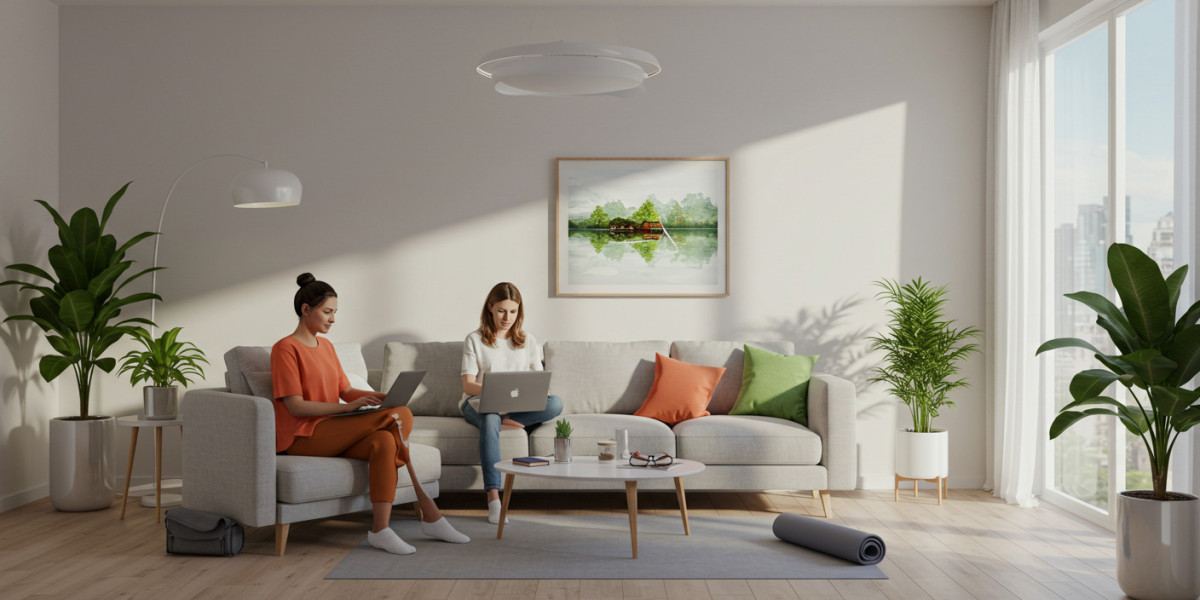
| Home & Interiors | Homes designed for multi-function: work, rest, social; eco-materials; minimal décor; plants & natural light; smart-home tech; deco that balances aesthetics + utility. |
| Food & Wellness | Plant-based diets, functional foods (for gut health, immunity); meal-planning apps; local & ethical food sourcing; mindfulness in eating. Also, mental health & sleep hygiene become routine. |
| Travel & Experiences | Wellness retreats, slow travel, immersive travel, travel that supports local communities; experiences over sightseeing; combining travel with remote work. |
5. Challenges & Criticisms
It’s not all rosy. Some aspects are hard to maintain or have downsides.
Greenwashing & authenticity: Many brands talk about sustainability, but actual impact may be small. It can be hard to distinguish.
Access & cost: Sustainable products, smart homes, quality gear can be expensive; not everyone can afford luxury versions of the trend.
Digital fatigue: While we push back, tech is still deeply embedded; balancing it is hard.
Overwhelm from choices: Personalization & trends can create paradox of choice—what to pick, what aligns best.
Cultural and regional variation: What works / is trendy in one country / culture may not translate in another; people may resist certain aesthetic shifts due to tradition or economic constraints.
6. How to Embrace the New Live Style: Practical Tips
You don’t need a full redesign of your life to start moving toward the 2025 live style. Here are steps & tips:
Audit & Declutter
Evaluate what you own—clothes, gadgets, décor—and remove what doesn’t add value.
Apply minimalism: keep only what serves your needs or brings joy.
Set Boundaries with Technology
Establish “device-free” times (e.g. evenings, meals).
Uninstall or mute apps that distract or add stress.
Use tech tools: screen-time monitors, focus apps.
Choose Sustainable Alternatives
Buy second-hand, repair rather than replace.
Choose eco-friendly materials or ethical brands.
Reduce waste: reusable packaging, composting, zero-waste habits.
Design Your Space Thoughtfully
Multi-use furniture / workspaces.
Natural elements: plants, wood, natural light.
Smart tech: lights, heating, cooling that respond to usage.
Personalize Rituals & Habits
Wellness routine: meditation, sleep schedule, hydration.
Fashion choices that reflect your identity, not just trends.
Travel or experience planning around your core values.
Engage with Community & Experience
Join local groups that align with your interests.
Support local businesses & artisans.
Focus on memories & experiences rather than accumulating material things.
Balance Bold & Calm
Incorporate bold color or prints in small doses if you prefer calm aesthetics.
Use neutral base + accent pieces.
Experiment without overhauling everything.
7. What This Means for Brands, Cities & Culture
The shift in live style has ripple effects:
Brands must be transparent in their supply chains, materials, labor, and environmental impact. Ethical branding becomes key.
Retail & fashion industries increasingly adopt circular models, digital fashion, rental, resale services.
Real estate & urban planning will adapt more multi-use buildings, co-living/co-working spaces, green infrastructure.
Technology companies will invest more in wellness tech, AI-driven suggestions, smart home / city infrastructure.
Cultural shift: identity, self-expression, community will carry more importance; more inclusive design, more diverse representation.
8. Conclusion
The “new live style” in 2025 is about living with intention. It’s where sustainability, well-being, technology, and aesthetics converge. It’s less about excess or doing what everyone else is doing, and more about what aligns with your values, supports your health, connects you to others, and respects the planet.
Adopting these trends doesn’t require a complete overhaul — small changes in consumption, daily habits, environment, and mindset can bring the new live style into reach.